Wildlife & Nature
The Norfolk Broads National Park is home to an incredible array of wildlife. From rare birds to playful otters, discover the natural wonders that make the Broads a truly special destination.
Bird Watching Paradise
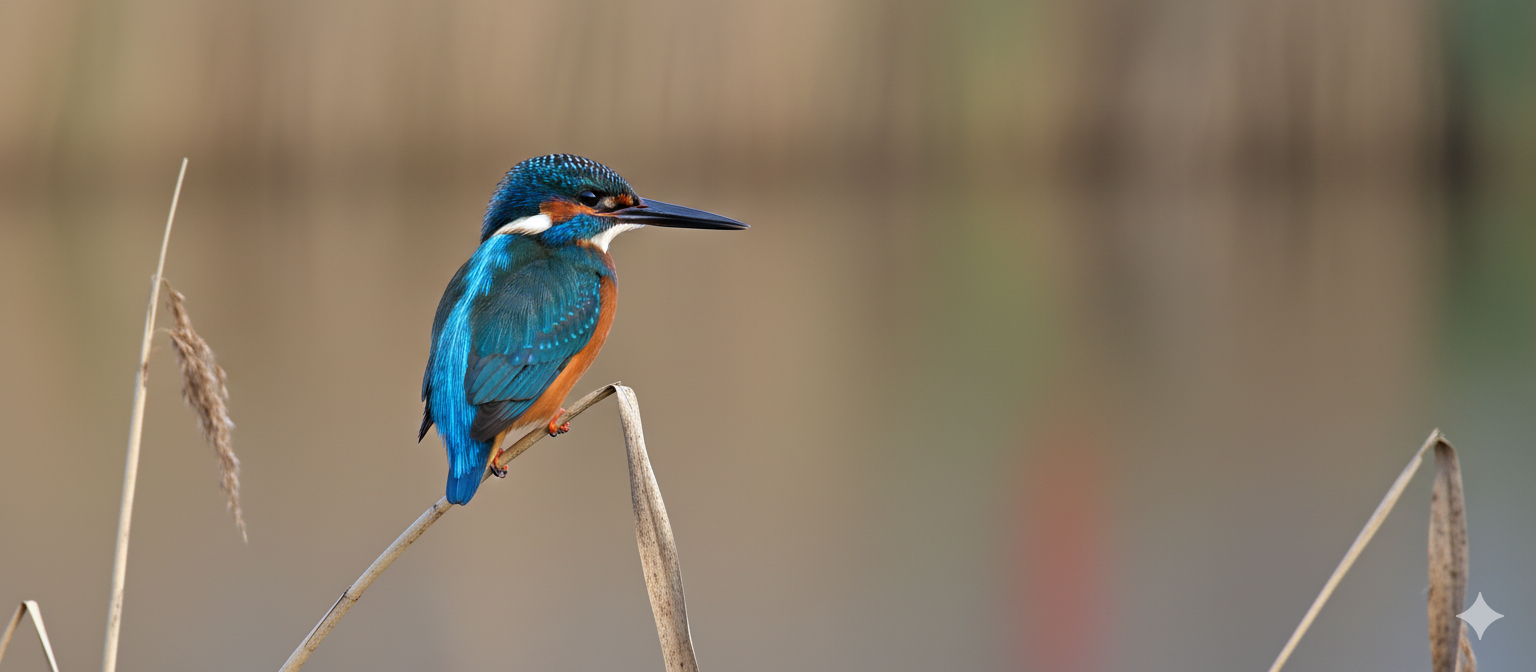
Kingfishers
The Norfolk Broads is one of the best places in the UK to spot these stunning birds. With their vibrant blue and orange plumage, kingfishers are a highlight for any wildlife enthusiast.
Best viewing times: Early morning and late afternoon, especially during spring and summer months.
Where to spot: Quiet waterways, especially near reed beds and overhanging branches.
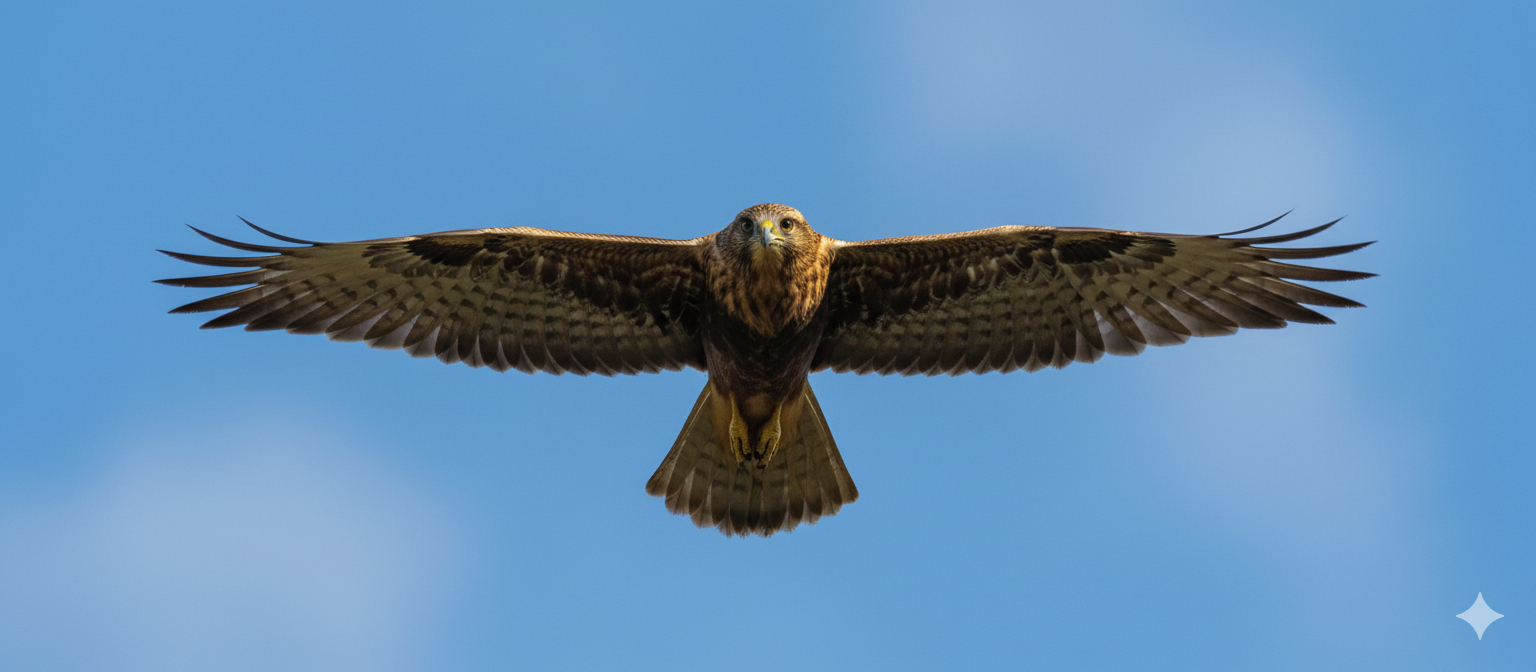
Over 400 Bird Species
The Broads support an incredible diversity of birdlife, including:
- Marsh harriers
- Bitterns
- Bearded tits
- Swallows and swifts
- Herons and egrets
- Various ducks and waterfowl
Bring your binoculars and a bird identification guide for the best experience.
Mammals of the Broads
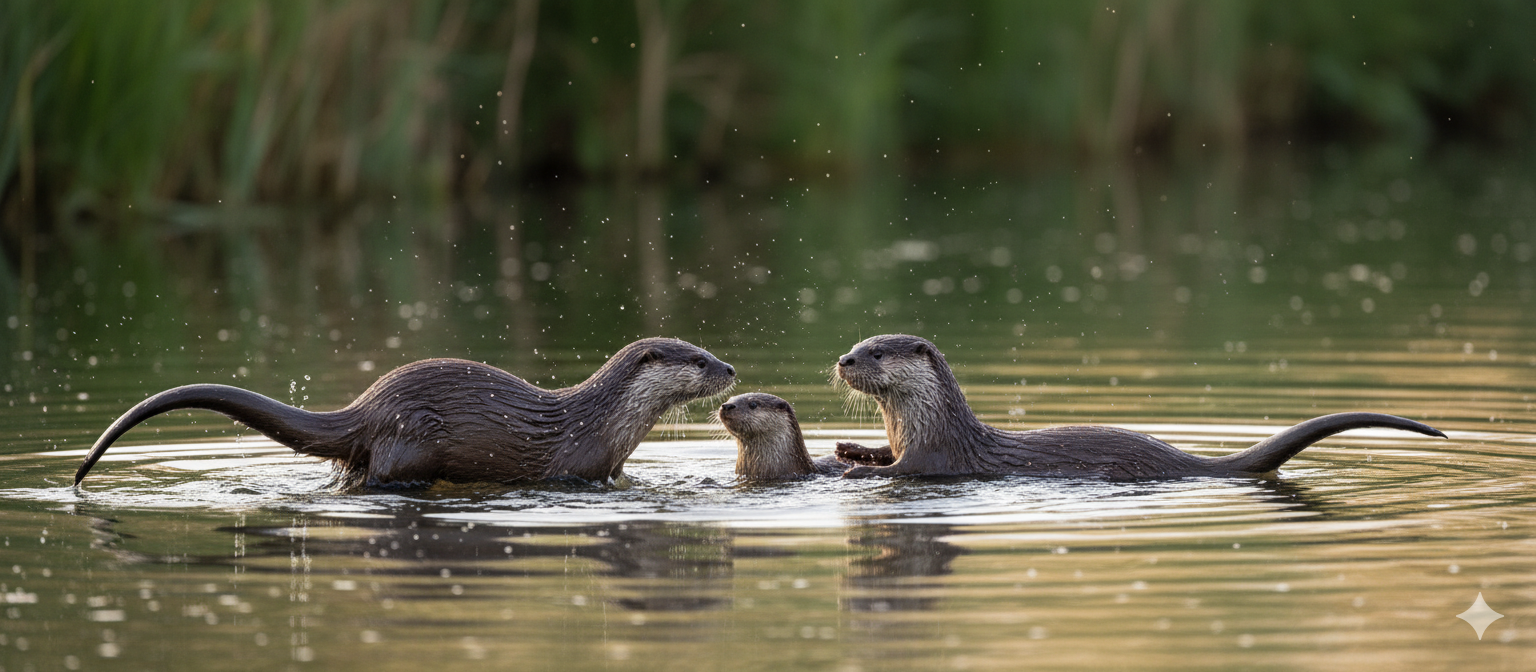
Otters
After years of conservation efforts, otters have made a remarkable comeback in the Norfolk Broads. These playful and elusive creatures are a joy to observe in their natural habitat.
Best viewing times: Dawn and dusk are the most active periods for otters.
Where to spot: Quiet backwaters, reed beds, and areas with plenty of fish. Look for tracks and spraints (droppings) along the water's edge.
Tip: Be patient and quiet. Otters have excellent hearing and will avoid noisy areas.
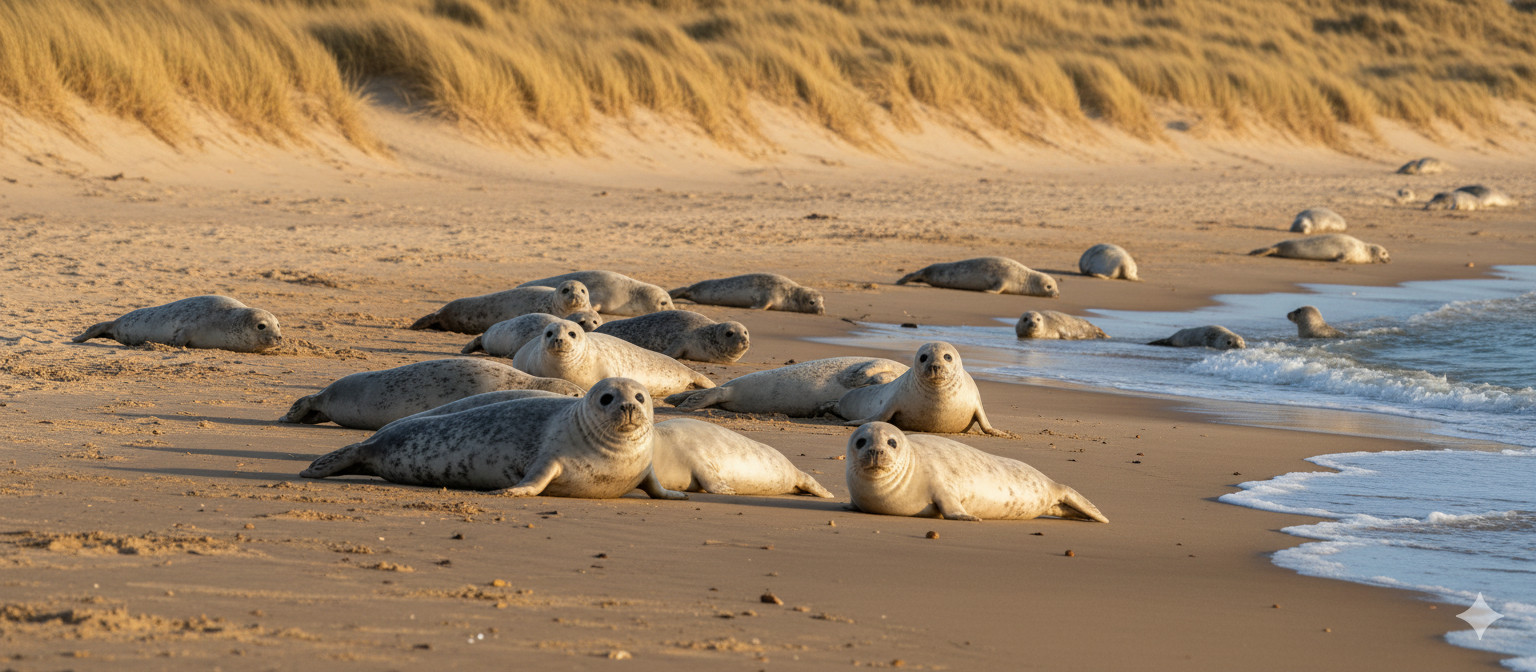
Other Mammals
The Broads are also home to:
- Grey seals (occasionally spotted in coastal areas)
- Water voles (endangered but making a comeback)
- Harvest mice
- Bats (13 different species)
- Roe deer
- Various small mammals
Walking Trails
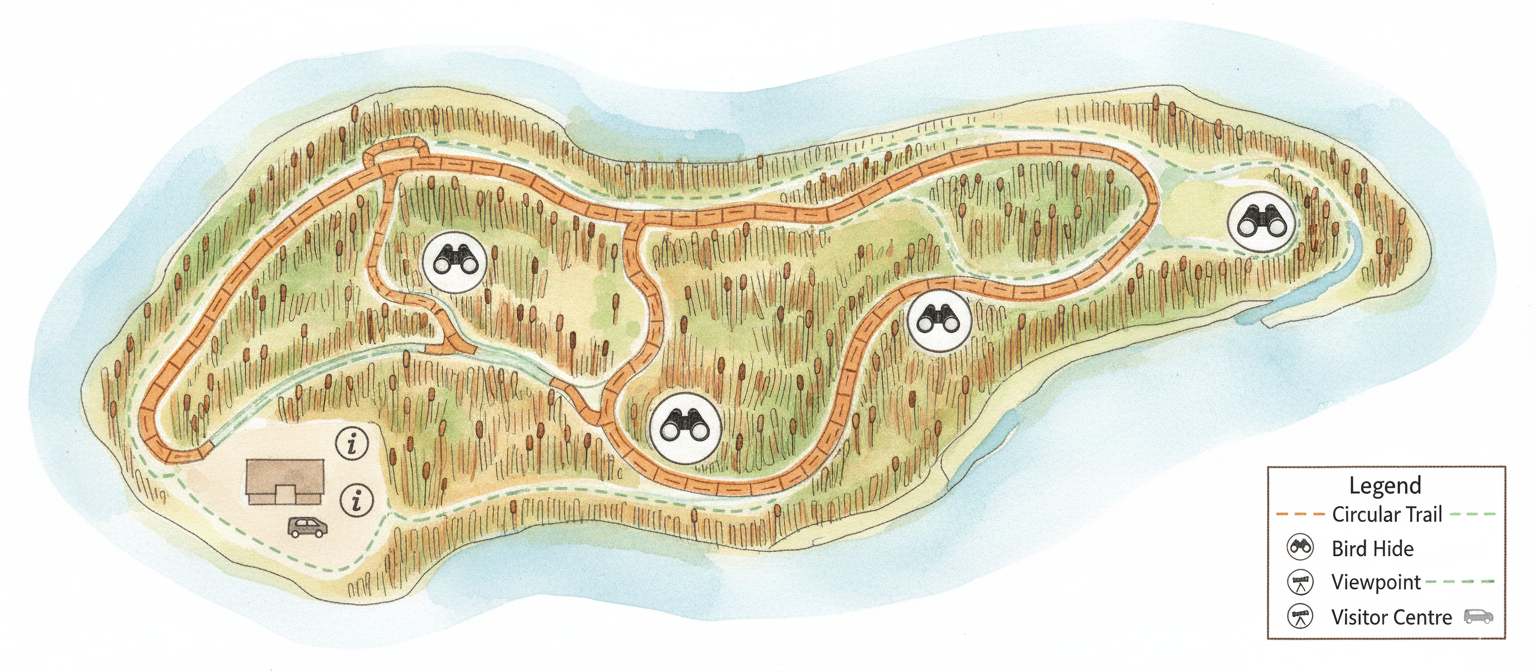
Explore on Foot
While boating is wonderful, exploring the Broads on foot offers a different perspective and excellent wildlife viewing opportunities.
Recommended Trails:
- Hickling Broad Nature Trail - 2.5 miles, easy, perfect for families. Great for bird watching.
- How Hill Nature Reserve - Multiple trails from 1-3 miles. Excellent for seeing otters and water voles.
- Ranworth Broad Boardwalk - 0.5 miles, accessible, perfect for all ages. Great for seeing marsh harriers.
- Barton Broad Circular - 4 miles, moderate. Beautiful views and diverse wildlife.
- Wroxham to Salhouse Broad - 3 miles, easy. Scenic route with plenty of birdlife.
Walking Tips:
- Wear comfortable, waterproof footwear
- Bring binoculars for bird watching
- Stay on marked paths to protect wildlife
- Take a map or use a GPS app
- Respect wildlife - observe from a distance
- Take your time - wildlife spotting requires patience
Plant Life
Reed Beds
The extensive reed beds are one of the Broads' most important habitats. They provide shelter for birds, filter water, and create the iconic landscape of the area.
Water Plants
The waterways are home to various aquatic plants including water lilies, arrowhead, and rare species like the fen orchid.
Wildflowers
In spring and summer, the Broads come alive with wildflowers including marsh marigolds, yellow flag iris, and purple loosestrife.
Conservation & Eco-Tourism
The Norfolk Broads National Park is committed to conservation and sustainable tourism. When visiting:
- Follow the Countryside Code
- Keep noise levels down to avoid disturbing wildlife
- Take all litter home with you
- Use eco-friendly products on boats
- Support local conservation efforts
- Respect protected areas and nesting sites
By being responsible visitors, we can all help preserve this unique environment for future generations.
Best Times to Visit
Spring (March-May)
Excellent for bird watching as migratory species return. Wildflowers bloom and wildlife is very active. Perfect weather for walking.
Summer (June-August)
Peak season with warm weather. Great for families. Kingfishers and otters are active. Longer days mean more time for exploration.
Autumn (September-November)
Beautiful colors, fewer crowds, and excellent bird watching as migratory birds pass through. Great for photography.
Winter (December-February)
Quiet and peaceful. Excellent for seeing wintering birds. Fewer visitors mean better wildlife viewing opportunities.
Plan Your Wildlife Adventure
Combine your boat hire with our recommended walking trails for the ultimate wildlife experience.
View 3-Day Itinerary Get in Touch